
Regular white sugar and brown sugar are actually cousins, not strangers. Brown sugar is just white sugar with molasses added back in—so you’re already 90% of the way there.
If you swap them one-for-one in most recipes, your baked goods will still work. The cookies will bake, the cake will rise, and nobody will call the sugar police on you.
But here’s where it gets interesting: the swap changes the texture and flavor in a way that can make your life more fun. Regular sugar gives you crispier edges; brown sugar gives you chewier, moister results. So ask yourself: do I want a snappy cookie or a gooey one?
When It Works Like a Charm
If you’re making crunchy sugar cookies, meringues, or a delicate sponge cake, white sugar is actually your hero. Brown sugar would make them too dense or heavy—so you’re not losing anything.
Even in savory recipes like a barbecue rub or a glaze, white sugar works great—it just won’t have that deep, molasses-y kick. But hey, life is about experimenting: maybe you’ll discover you prefer the cleaner sweetness!
For cookies, cupcakes, or muffins where you want a soft, moist crumb, you can easily fake brown sugar by mixing one cup of white sugar with one tablespoon of molasses. Have no molasses? Try maple syrup or honey—just reduce the liquid in your recipe by a tablespoon.
The One Time You Really Shouldn’t
Okay, let’s be honest: there is a time to play it straight. If you’re making a recipe where brown sugar is the star—like a sticky toffee pudding, gingerbread, or a brown sugar glaze for ham—don’t substitute. The molasses is the whole point.
But even then, you can cheat gloriously by adding a tiny splash of dark corn syrup or molasses to your white sugar. Nobody will know. It’s like giving your dessert a secret superpower.
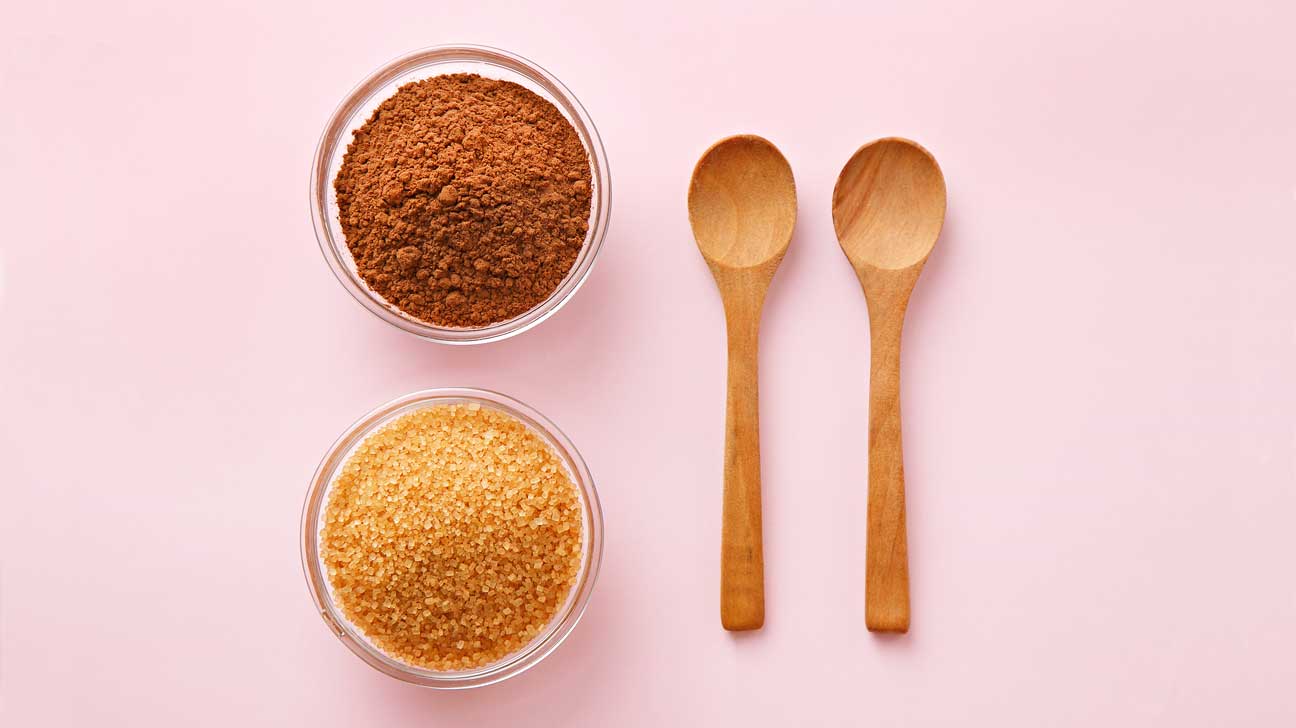 7 Clever Substitutes for Brown Sugar
Most of the time, the substitute works so well that you’ll wonder why you ever worried. You’re not baking a molecule, you’re making joy.

