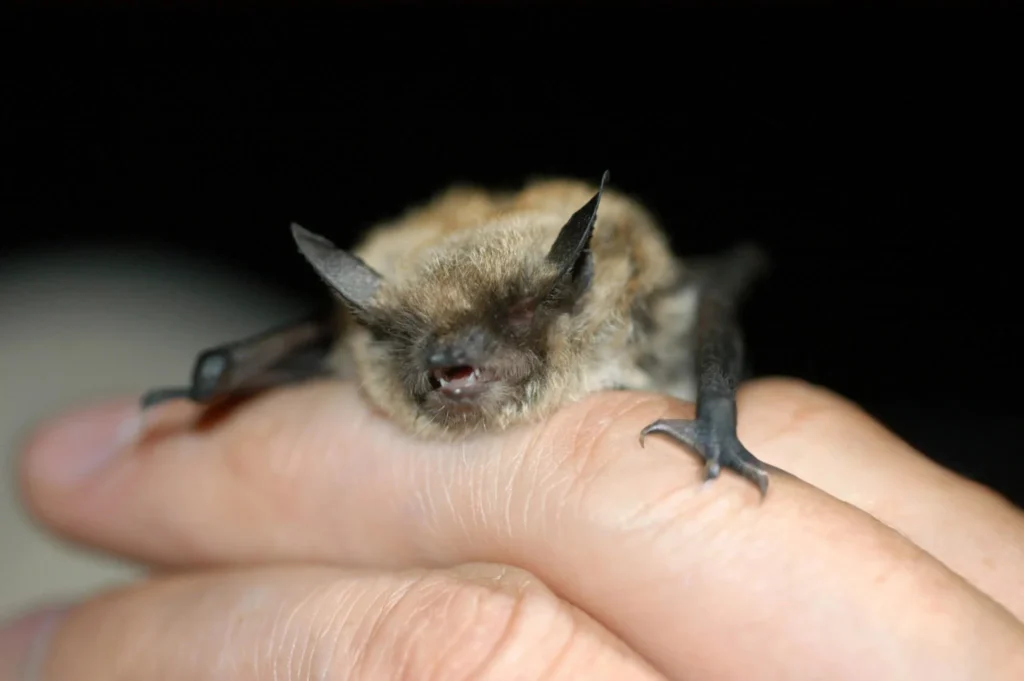
Even if you somehow got legal clearance, you need to ask: what does a bat actually need to thrive? Spoiler: it’s not a cage with a fruit bowl. Bats are highly social, intelligent, and require massive flight space—a typical bat can fly up to 100 miles a night in the wild. A living room or even a large aviary just won’t cut it. They also need specific humidity, temperature, and a diet that’s extremely hard to replicate (think live insects dusted with supplements for insectivores, or a precise mix of fruits, nectar, and protein for flying foxes).
And then there’s the noise and smell. Bats communicate with high-frequency squeaks and chirps, and their guano (poop) is an ammonia-rich mess that can damage your lungs if not cleaned daily. Most pet owners underestimate the sheer sensory impact of a bat colony—even one bat. You’re not getting a quiet, Instagram-friendly companion; you’re getting a wild animal with zero domesticated instincts.
A Fun Fact To Save For Trivia Night
Here’s a little gem: bats are the only mammals that can actually fly (flying squirrels just glide). And a single brown bat can eat up to 1,000 mosquitoes in an hour. That’s like having a tiny, winged pest-control drone—but it’s also a reminder that bats are best appreciated from a distance, like an exotic vacation you visit but don’t move into.
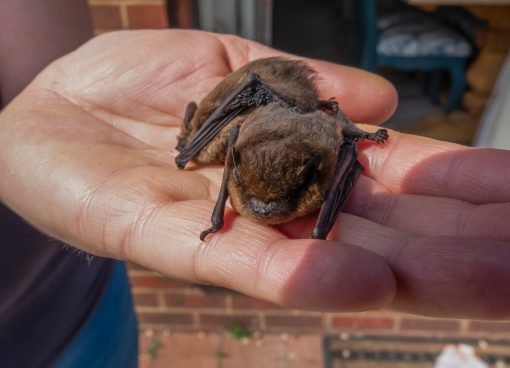 Can You Have Bats as Pets? The Pros and Cons of Owning One