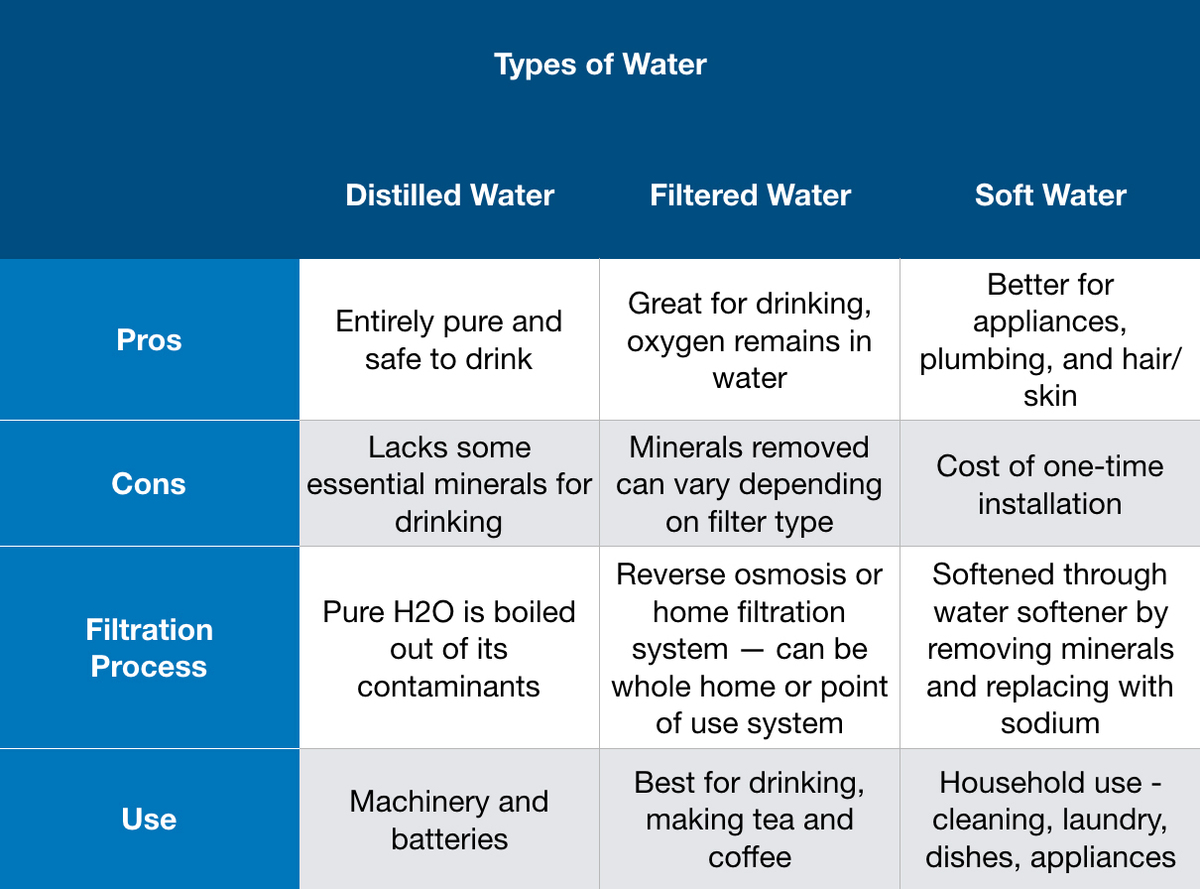
When you filter water, you’re usually passing it through a physical barrier—think activated carbon or a reverse osmosis membrane. This process removes impurities like lead, pesticides, and that weird swimming-pool taste from chlorine. It’s the go-to for most households because it’s a balanced upgrade: clean but not stripped.
Distillation, meanwhile, is the dramatic cousin. You boil the water, capture the steam, and let it cool into a pure form. This method eliminates nearly everything—including bacteria, heavy metals, and even minerals you might actually want. It’s the water version of a minimalist wardrobe: sleek, simple, but not for every occasion.
A Quick Cultural Detour: Water in Pop Culture
Remember in Breaking Bad when Walter White used a distillery setup for… well, not water? That’s the energy. Distillation has a mad-scientist vibe—it’s serious, clinical, and favored in labs and humidifiers. Filtered water is more like the humble hero in a feel-good movie—the one you see in a sleek, glass carafe at a wellness influencer’s brunch.
Even your favorite celebrity’s hydration routine matters. Gwyneth Paltrow’s Goop once praised a fancy filter for “restructuring” water (don’t ask). Distilled? It’s the choice for folks who fear microplastics, like those minimalist YouTubers who only drink from glass bottles. Pick your tribe.

