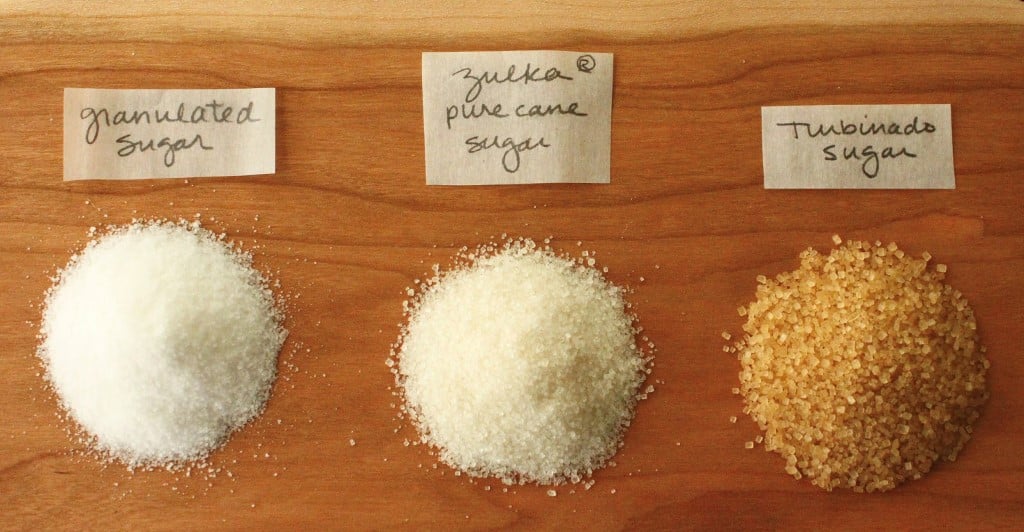
Think of it this way: Granulated sugar is your reliable workhorse. Use it for anything where you want a clean, neutral sweetness—muffins, cakes, custards, and sauces. It dissolves silently and does its job.
Raw sugar is your textural specialist. It shines on top of things. Use it as a crunchy topping for oatmeal, pie crusts, or baked fruit. It’s also amazing in rubs for meat, where the larger crystals add a nice crust.
One pro tip: If you must substitute raw for granulated in a recipe, grind it in a food processor first. You’ll break down those giant crystals so they behave more like their white cousin. It’s a hack, but it works.
The Verdict (And a Confession)
So, which one should you buy? Honestly? Get both. Keep a big bag of granulated for everyday baking and cooking. Then, pick up a small container of raw sugar for garnishing or for your morning coffee.
And if you’re like me and you accidentally buy the wrong one? Don’t panic. Remember that ruined snickerdoodle batch? I actually turned it into a crumble topping for some ice cream. Crisis averted.
The bottom line is: They’re not the same, but they don’t have to be enemies. Understanding their quirks just makes you a smarter cook. Now go grab your sweetener of choice and make something delicious—just read the label first, okay?

