Look, I love RO systems. They’re brilliant for making water taste like nothing (which is somehow delicious). But if your goal is softening—as in, no more white spots on dishes, no more dry skin, no more rock-hard mineral deposits—you want a traditional water softener. Or, at least, a combo system that softens first, then polishes through RO. That’s the gold standard, but it’s also a wallet-buster.
Here’s my hot take: most people don’t need both. If your water is moderately hard (say, 7-10 grains per gallon), an RO under your sink will give you soft-taste drinking water, but your shower will still be a mineral-fest. Meanwhile, a softener will save your appliances, but your drinking water might taste slightly salty. Pick your poison—or your budget.
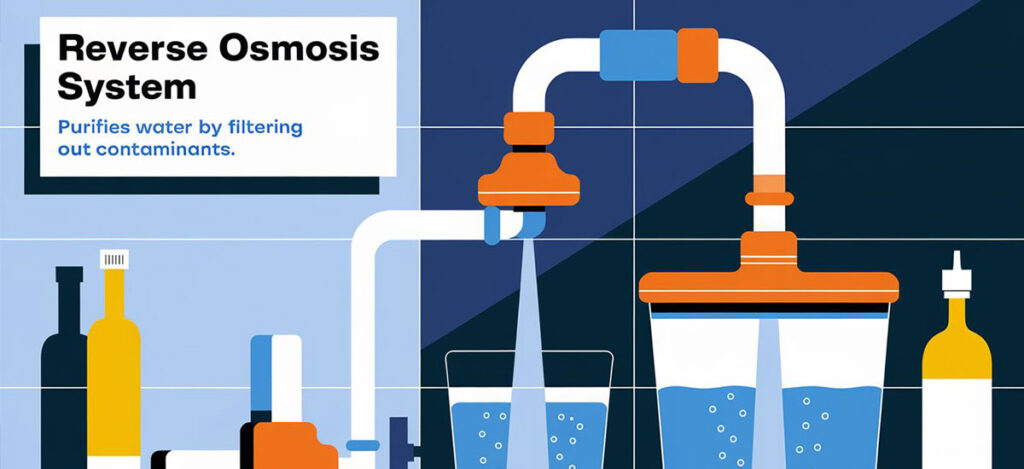 Does a Reverse Osmosis System Soften Water? Pros and Cons
By the way, Karen eventually bought a whole-house softener. She kept the RO, too. Now she drinks joy and showers in silk. I’m still using tap water and pretending I’m fine.
So, does it soften water? The final verdict
Yes, but not in the way you care about. If “soft water” to you means “no limescale on the kettle and softer laundry,” then an RO system won’t cut it alone. It’s a star player on a different team—the ultra-purification team, not the mineral-swapping team. But for drinking water? It’s incredibly soft in feel and taste.
My advice? Do a quick water test kit (they’re like $10 on Amazon). If your hardness is above 7-8 grains, get a softener first. Then, if you’re a water snob like me, add an RO for drinking. Your taste buds and your pipes will thank you—separately.
And hey, if you’re still confused, just remember Karen. She thought she bought a magic wand. Turns out, she just bought a really good filter that happens to make water feel nice on her face. No shame in that—but now you know better.