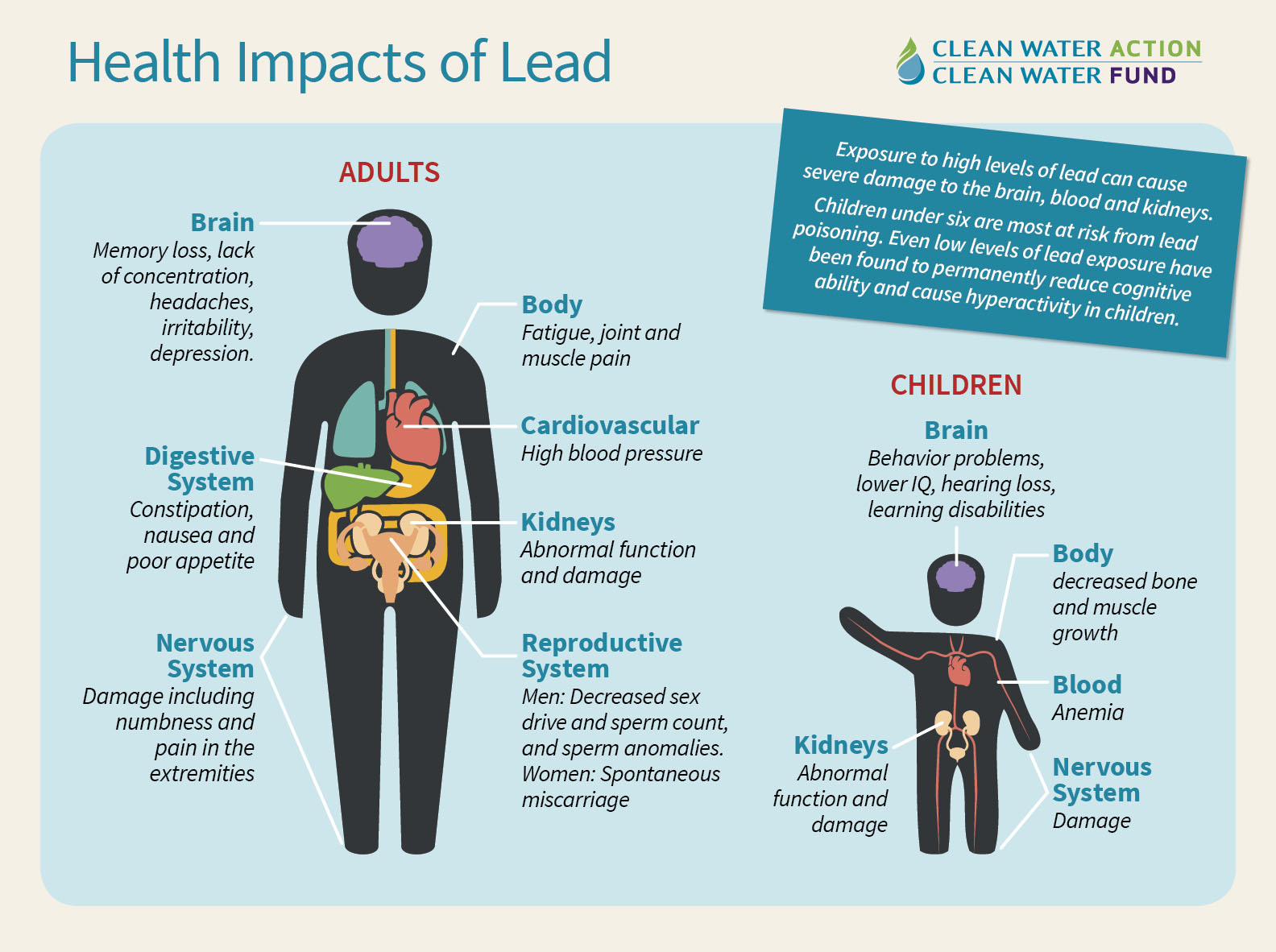
First, find out if your home was built before 1986. If yes, get your water tested for lead—it’s cheap and easy. Your local health department often does it for free or can recommend a lab. Knowledge is power, and also peace of mind.
Second, always use cold water for drinking and cooking. Hot water dissolves way more lead from pipes and fixtures. If you need hot water, boil cold water first. And that “flush the pipes” trick? Do it every morning and after any long pause in use. It’s literally free insurance.
Finally, consider a water filter certified for lead removal, or replace any old brass fixtures with ones labeled NSF/ANSI 61 compliant. If you can, invest in replacing old lead service lines—it’s pricy but it’s a one-and-done solution. Your future self will thank you.
Sarah ended up getting a proper lead-removing filter, and her kid’s energy bounced back after a few weeks. The point is, lead poisoning from water is 100% preventable. It’s a plumbing problem, not a fate you have to accept. So go flush that tap, check your pipes, and drink up—safely.

