How To Know If Egg Is Fresh
Let’s be honest: there are few things in life more terrifying than cracking an egg and getting a face full of stank. You were planning a fluffy omelet, and now your kitchen sm...
Let’s be honest: there are few things in life more terrifying than cracking an egg and getting a face full of stank. You were planning a fluffy omelet, and now your kitchen smells like a swamp goblin’s armpit. But fear not, my fellow breakfast warriors—science and a little bit of paranoia can save you.
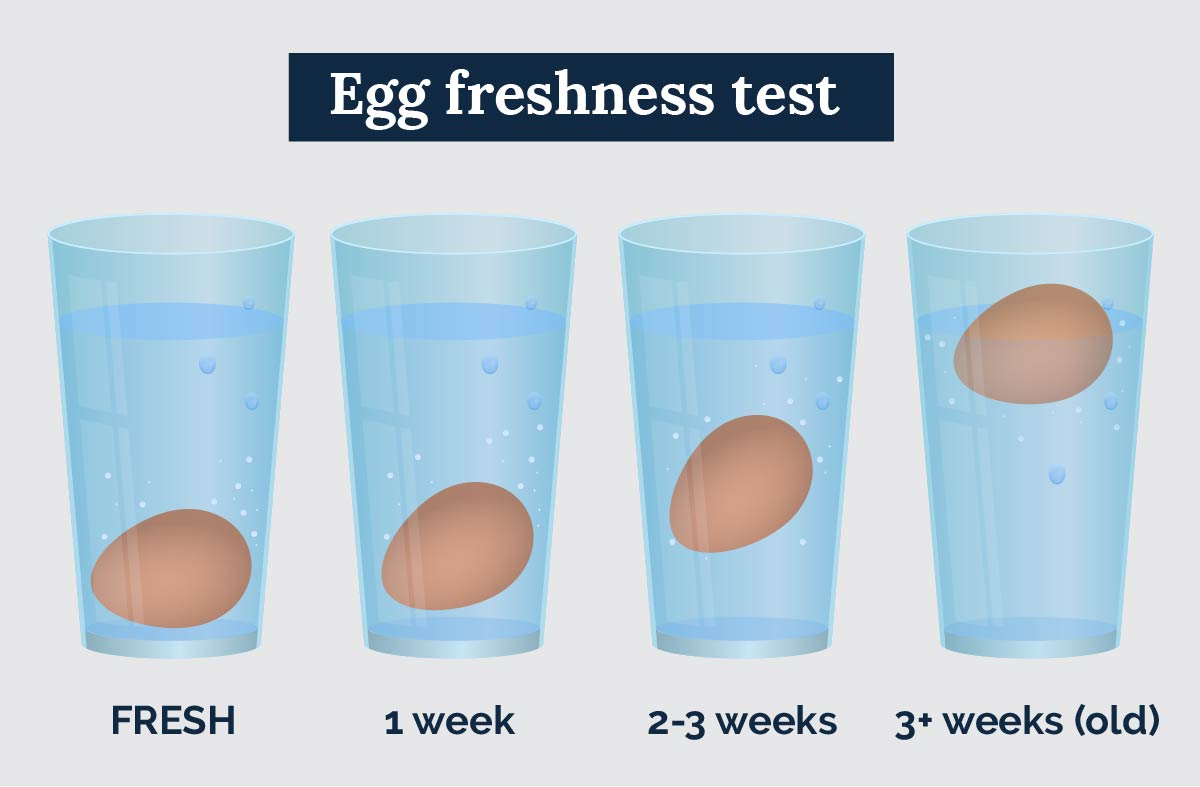
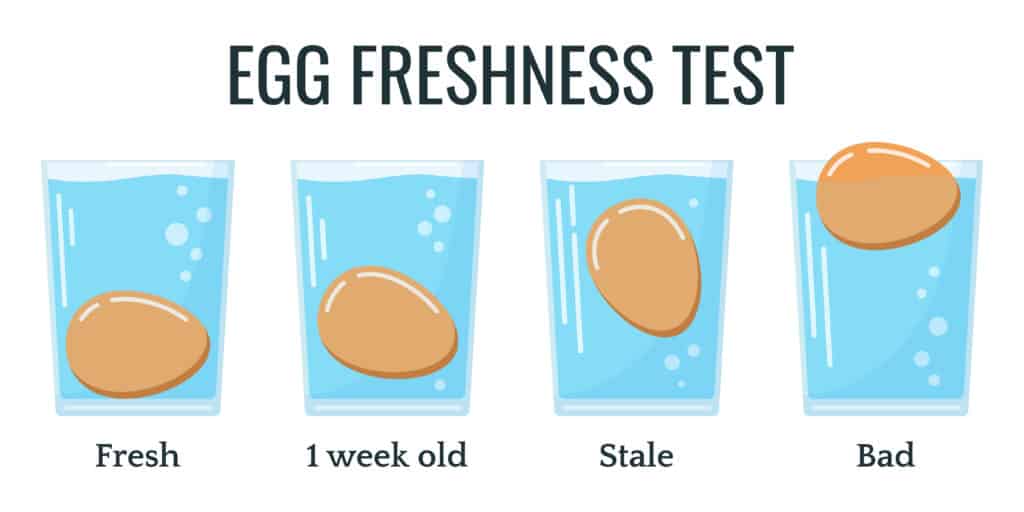
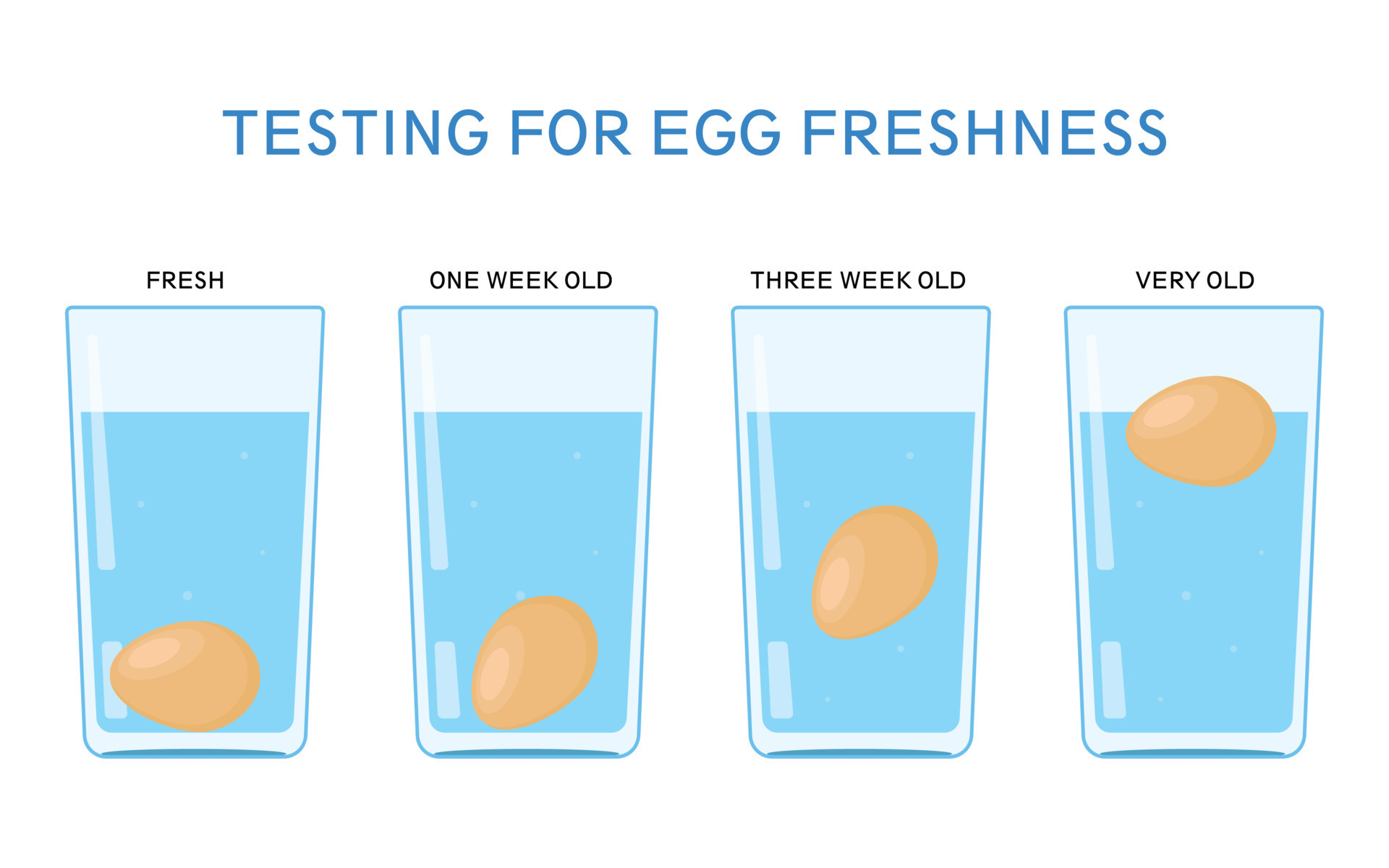
First, let’s talk about the water test, because it’s basically a magic trick you can do with a glass of tap water. Fill a bowl or tall glass with cold water, then gently lower your suspect egg in. If it sinks like a tiny, spherical submarine and lies flat on its side, congratulations—that egg is so fresh it probably just signed an autograph for a chicken.
If the egg stands upright on the bottom, like it’s waiting for a bus, you’ve got a middle-aged egg. Still fine for scrambling, but maybe don’t propose to it. And if that sucker floats to the top like a buoy in a bathtub? Toss it. Immediately. That egg is so old it’s probably filing for social security and has a timeshare in Florida.
Why does this happen? It’s all about the air cell. As an egg ages, it loses moisture through its porous shell, and the air pocket inside grows bigger—like a balloon made of disappointment. A floating egg means the air cell is huge, which means bacteria have likely moved in and are throwing a party. Don’t be a host.
Now, let’s say you don’t want to get your hands wet, or you’re just too lazy to fill a glass. Shake it like a maraca. Hold the egg up to your ear and give it a gentle, rapid shake. A fresh egg will feel like it’s embarrassed to be there—silent and dead inside. An old egg will slosh around like a watery burp. That sloshing sound is the yolk breaking down and the white turning to liquid regret. Hard pass.
But wait—there’s more! The crack-and-sniff method is the final boss of freshness testing. Crack the egg onto a clean plate (not directly into your mixing bowl, you daredevil). A fresh egg has a yolk that sits up tall and proud, like a little golden emperor, and the white is thick, not runny. If the yolk flattens out like a pancake and the white spreads like a gossipy rumor, that egg is not fresh.
 How to tell if an egg is fresh - science hacks
Then, do the nose test. Stick your face in there and inhale like you’re smelling a fine wine. A bad egg has a distinct sulfur-y, rotten, “I regret everything” odor. If you smell even a hint of that, throw it out. Your nostrils are not wrong. Fun fact: rotten eggs produce hydrogen sulfide gas, which is also found in volcanic vents. So you’re smelling the breath of a mini volcano. Charming.
Here’s a surprising truth that will blow your mind: the date on the carton is mostly a suggestion. In many countries, eggs can be perfectly safe to eat weeks after the “sell by” date if they’ve been refrigerated. In fact, the USDA says eggs can be stored in the fridge for 3–5 weeks from the pack date. How do you know the pack date? Look for a three-digit number on the carton (called the Julian date). January 1 is 001, December 31 is 365. That’s the day the egg was put in the carton. So if your egg is fresh enough to vote, maybe test it.
But here’s the kicker: never, ever wash your eggs before storing them. In the U.S., eggs are already washed and sanitized at the processing plant, which removes a natural protective coating called the “bloom.” Once that’s gone, the shell becomes a sponge for bacteria. So you’re doing the opposite of a good deed. Just keep them in the carton, in the fridge, away from strong-smelling foods like onions (eggs are great at absorbing odors—they’re like the olfactory version of a sponge).
Another wild fact: you can freeze eggs. Yes, whole eggs! Crack them into a freezer-safe container, whisk them, and freeze for up to a year. But do not freeze them in the shell. If you do, the water inside expands, the shell cracks, and you’ll have a frozen egg grenade in your freezer. And nobody wants to defrost IED eggs on a Sunday morning.
 Egg Water Test Chart at Sarah Lee blog
If you’re feeling extra fancy, there’s the candle test. This is old-school tech: shine a bright flashlight through the egg in a dark room. A fresh egg will look clear, with a visible yolk floating in the middle. An old egg will look cloudy or have dark spots—like a moody teenager. This is how farmers used to check eggs before the invention of the light bulb. (Okay, they used candles. Hence the name.)
But honestly, for most of us, the float test and the sniff test are your two best friends. They’re fast, free, and require zero special equipment—unless you count a glass of water and a nose. If you’re still nervous, crack each egg into a small bowl before adding it to your recipe. That way, one rotten egg can’t ruin your entire cake. Lesson learned: never trust an egg that looks innocent.
And finally, a cautionary tale: I once thought an egg was fine because it passed the float test, but I didn’t sniff it. I made a beautiful fried egg sandwich, took one bite, and immediately felt like I’d licked a dumpster. Trust your nose, people. Your sense of smell evolved specifically to keep you from eating things that will make you pray to the porcelain god.
So go forth, crack with confidence, and remember: an egg is just a chicken’s hope. But your breakfast is your own. Stay fresh, my friends.

