
Walk up to your donor vine like you’re a sommelier assessing a vintage. Look for a cane that’s about the thickness of a pencil—not too skinny, not too thick. It should be healthy, with no cracks or weird discolorations, and it should have several buds (those little bumps along the stem).
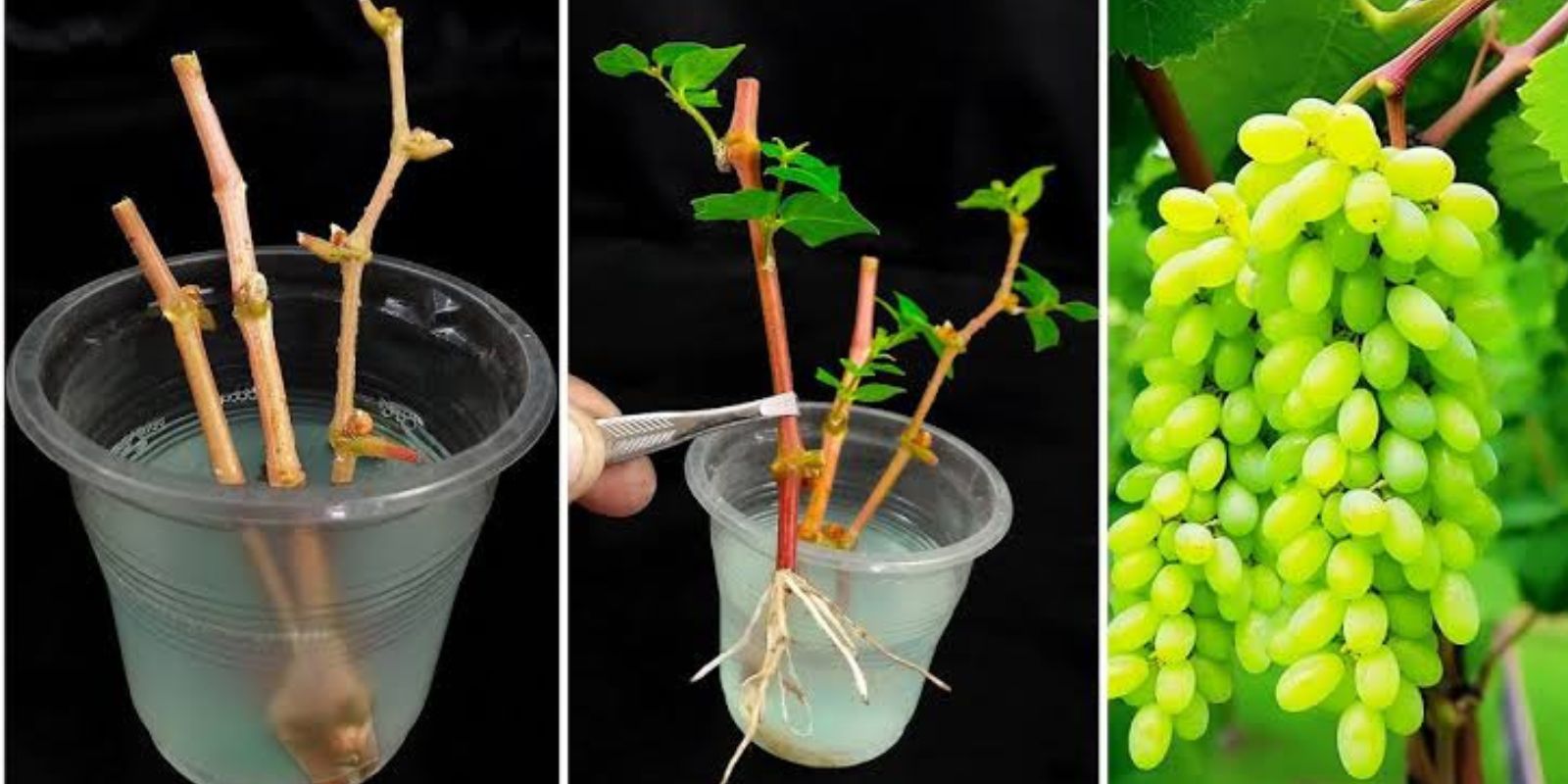 Mastering the Art of Growing Grapes from Cuttings: A Complete Guide
Fun fact: a single grape vine can produce enough cuttings to populate a small vineyard. The ancient Greeks believed grapevines had a soul, so maybe whisper a thank-you before you snip. It’s polite, and the plant might reward you with better roots.
Step Two: Making the Cut
With your clean shears, cut a section of the cane that’s about 10 to 12 inches long. Make the bottom cut straight across, just below a bud. Make the top cut at a 45-degree angle, about an inch above a bud. Why the angle? It helps you remember which end goes up (the pointy end is up) and prevents water from pooling on the top.
Now you’re going to get a little tough: scrape off a thin strip of bark from the bottom inch of the cutting. This exposes the cambium layer, which is the vine’s little root-making engine. It hurts to see, but the plant doesn’t mind.

