How To Purify Tap Water
Okay, let’s be real for a sec. That glass of tap water you’re about to drink? It’s a bit of a wild card. Sure, it’s technically safe, but does it really taste like a mountain...

Okay, let’s be real for a sec. That glass of tap water you’re about to drink? It’s a bit of a wild card. Sure, it’s technically safe, but does it really taste like a mountain spring? Probably not.
Sometimes it smells like a swimming pool. Other times, it has that faint, earthy “dirt” vibe. You’re not alone in noticing—your taste buds aren’t broken!
The good news? You don’t need a fancy lab or a degree in chemistry. You can fix this with stuff you probably already own.
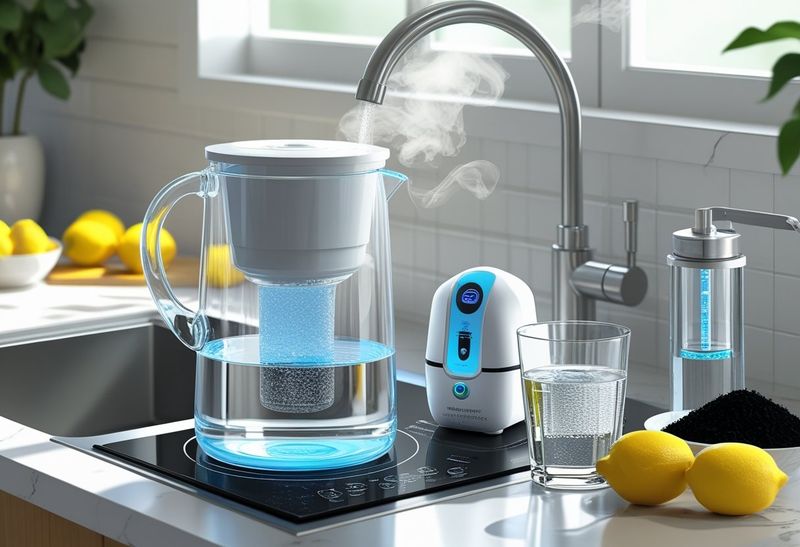
Let’s talk about the easiest trick in the book: the humble pitcher filter. You know, the Brita or Pur kind that lives in your fridge.
It’s basically a fancy funnel with charcoal. The carbon grabs chlorine, bad tastes, and weird smells. It won’t remove everything (sorry, no fluoride magic), but it’s a massive upgrade.
Pro tip: Always change the filter on time. Otherwise, you’re just running water through a dirty sponge. Gross, right?
What if you want something faster? Meet the countertop distiller. It looks like a mini spaceship, but it works like a dream.
It boils water into steam, then cools it back into liquid. Everything nasty—heavy metals, bacteria, even some viruses—gets left behind.
The downside? It’s slow. You’ll wait about four hours for a gallon. And it makes a weird gurgling noise that feels oddly soothing... until 2 AM.
Oh, and distilled water tastes flat. Like drinking air. So maybe add a pinch of salt or a squeeze of lemon to put the life back in it.
Now, let’s get a little old-school. Boiling is the OG purification method. Grandma swore by it, and she wasn’t wrong.
 Purify your water: eliminate contaminants and pesticide residues
Bring water to a rolling boil for one minute (three if you’re feeling extra cautious). This kills bacteria, parasites, and viruses dead. Gone. Poof.
But here’s the thing: boiling won’t remove chemicals or heavy metals. In fact, it concentrates them as the water evaporates. So only use this in a pinch, like camping or a boil-water alert.
Let’s talk about UV light pens. Yes, they are real. No, they are not from a sci-fi movie (okay, maybe a little).
You swirl a UV wand in your glass for about 60 seconds. The light scrambles the DNA of any microorganisms, rendering them harmless. It’s like a tanning bed for germs, but the germs get fried.
Super fast. Super portable. But it doesn’t touch dirt, taste, or smell. You’ll still want to filter first, or you’ll be drinking sanitized mud water.
What about the DIY crowd? You can make a half-decent filter with a plastic bottle, sand, gravel, and charcoal. It’s a classic science fair project.
Layer it like a lasagna: gravel on top, then sand, then charcoal, then more sand. Pour water through, and it catches big particles.
Honestly? It’s more of a fun activity than a daily solution. It removes visible gunk, but don’t trust it with actual pathogens unless you’re in a survival show.
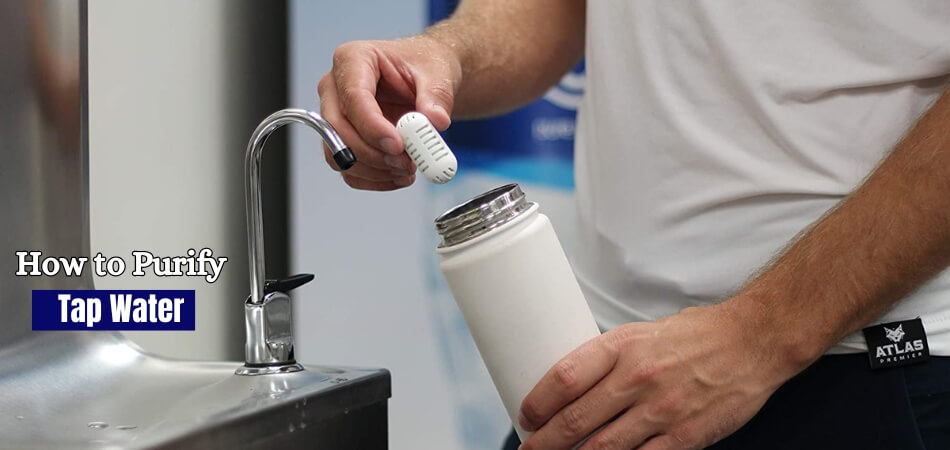 How to Purify Tap Water?
Now, the holy grail: reverse osmosis (RO) systems. These are the big guns. They’re usually under your sink and cost a few hundred bucks.
RO forces water through a semi-permeable membrane that’s super picky. It blocks almost everything—lead, arsenic, fluoride, microplastics, even some drug residues. You get water so pure it’s basically scientific.
The catch? It wastes water—like, 3 gallons wasted for every 1 good gallon. And it strips out beneficial minerals. You might need to remineralize the water afterward. Because perfect water is a bit of a diva.
Let’s not forget fridge dispensers. They usually have basic carbon filters, which is fine. But they often grow mold if you don’t clean the nozzle.
Here’s the secret: run a cup of vinegar through the line once a month. Then follow with a cup of water. It keeps the slime fairies away.
And whatever you do, don’t drink hot water from the tap for long periods. Hot water leaches more lead and copper from old pipes.
So, what’s the perfect combo? For me? Carbon filter pitcher for everyday drinking, plus a kettle boil if the city issues a warning. Cheap, easy, and no gurgling at 2 AM.
What about you? Are you a “filter and forget” person, or do you go full mad-scientist with distillation? Either way, your glass doesn’t have to taste like a chemistry lab.
Just pick one method. Your taste buds—and your stomach—will thank you. Cheers.