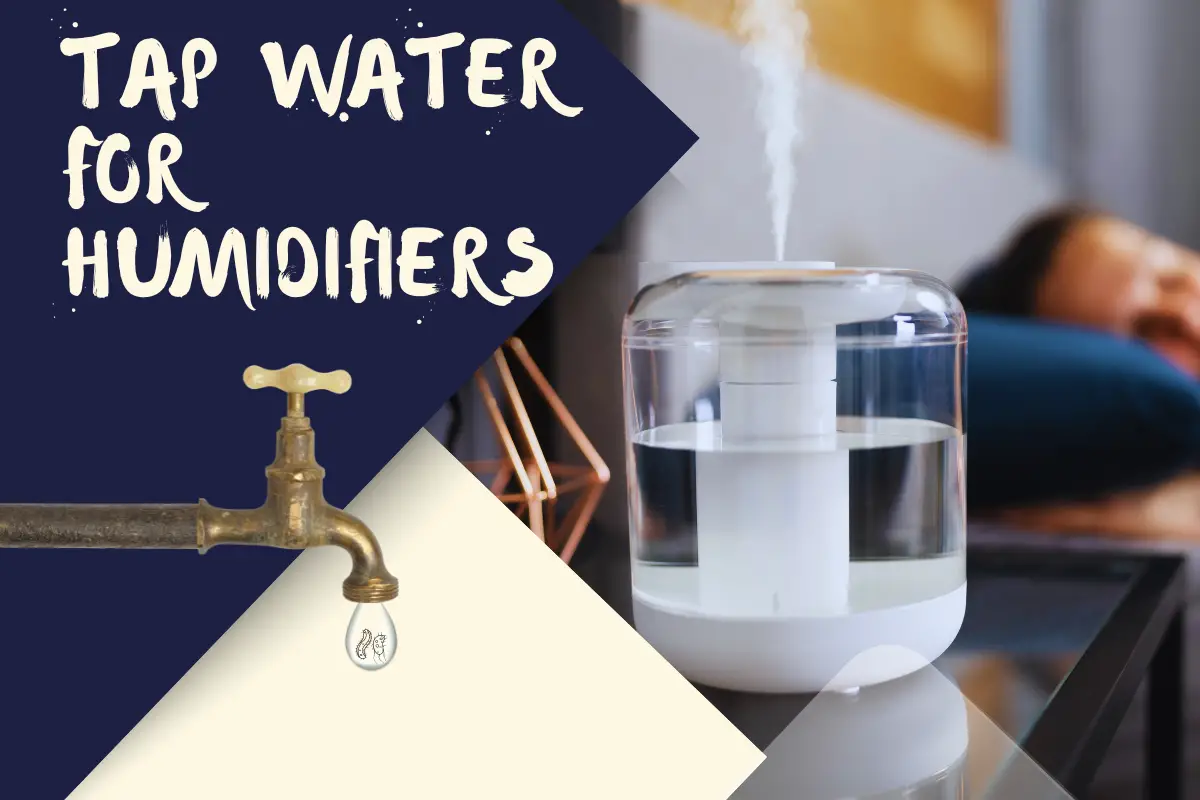
Tap water is basically a mineral-water cocktail, packed with calcium, magnesium, and other tiny hitchhikers. Turn on your humidifier, and it happily flings those minerals into the air as invisible dust. That’s right—you’re giving your living room a gentle dusting every time the machine runs!
After a week, you might see a white, chalky film on your furniture. It’s not dangerous, but it’s definitely not cute. Your coffee table looks like it lost a fight with a bag of flour.
Your humidifier itself will also suffer. Those minerals turn into crusty limescale that clogs the wick, the filter, or the ultrasonic plate. That means you’ll be cleaning it every few days with vinegar, and nobody wants a weekend hobby of scrubbing a white, scaly rock monster out of a plastic tank.
The Bacteria’s Little Pool Party
Warm, standing water in a humidifier is basically an open invitation for bacteria and mold. They love it in there. And when you use tap water, those minerals act like a free buffet ticket for germs to grow even faster.
Now, if you clean your humidifier regularly (and I mean deep cleaning), you’re probably fine. But if you’re like most of us and procrastinate on chores, you’re cozying up to a machine that’s blowing tiny bacterial rafts into your breathing zone.
You know that weird, musty smell that sometimes comes from a humidifier? Yeah, that’s the bacteria saying, “Thanks for the tap water, buddy.” Your air shouldn’t smell like a damp basement.