
So what makes jasmine rice special if it’s just “white rice” in disguise? It’s all about flavor and fragrance. Ordinary white rice is a blank canvas, which makes it great for soaking up sauces, but jasmine rice comes with its own natural perfume. It has a subtle, floral, nutty aroma that almost smells like buttered popcorn while it’s cooking. That’s why it’s called “jasmine”—not because it tastes like the flower, but because of its delicate scent.
Imagine you’re making a simple weeknight stir-fry. If you serve it over plain white rice, it’s fine—you’ll eat it and move on. But if you serve it over a fluffy pile of jasmine rice, the whole dish feels elevated. It’s like the difference between wearing a plain white t-shirt and one that perfectly fits and smells like your favorite cologne. Both get the job done, but one makes you feel just a little bit fancier.
The Texture Tells the Tale
The texture is another huge clue that jasmine isn’t your average white rice. Regular long-grain white rice, like you’d find in a box, tends to be dry, separate, and a little bit stiff after cooking. Jasmine rice, on the other hand, is softer, fluffier, and slightly sticky—but not sticky like sushi rice. It clumps together just enough to be picked up easily with chopsticks, but it doesn’t turn into a gluey mess. It’s the Goldilocks of the rice world: just right.
Think about the last time you ordered Thai takeout. That beautiful mound of rice under your green curry? That was almost certainly jasmine rice. It soaks up the coconut sauce without getting mushy, and each bite carries that lovely scent. Use plain white rice for that same curry, and you’ll notice the dish feels less complete—like the movie is missing its soundtrack.
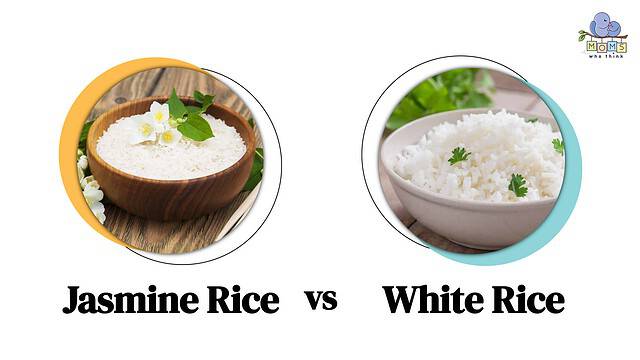 Jasmine Rice vs. White Rice: How Different Are They?

