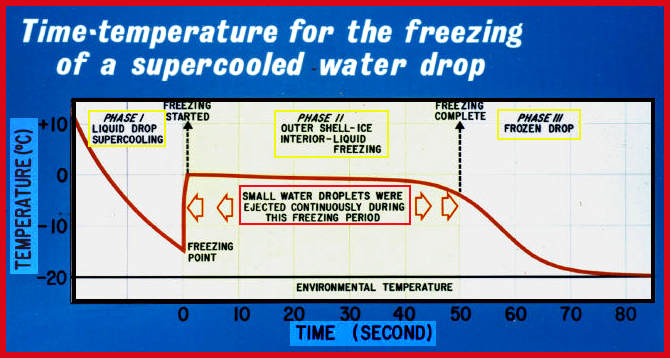
Sure, 32°F is the rule in school textbooks. But here’s the kicker: pure water can actually stay liquid way below that point. It’s called “supercooling,” and it’s like water getting cold feet without committing to freeze.
Think about it like this: you know that moment when you’re almost asleep, but your brain just won’t let go? That’s supercooled water. It’s ready to freeze, but it needs a little push—a tiny speck of dust, a vibration, or even a sudden shake—to finally turn into ice.
Why Does It Refuse to Freeze?
The secret is that water molecules need a nucleus to start forming ice crystals. Without any impurities—like dust, bubbles, or minerals—the molecules just slide past each other, staying liquid out of pure stubbornness. You could drop the temperature to 40°F below freezing, and it’s still just liquid water.
Isn’t that wild? It’s like having a party where nobody wants to start dancing until someone turns on the music. The molecules are waiting for that first icicle move to break the ice.

