Think of pH as the personal mood ring of your environment. It’s a scale from 0 to 14 that tells you how acidic or alkaline something is, with 7 being perfectly neutral. When your coffee tastes off, your pool water stings your eyes, or your hydrangeas are the wrong color, pH is almost always the culprit. You don’t need to be a scientist to keep things balanced—you just need the right tools.
Here’s the fun part: you probably already own several pH-measuring items right now. Yes, even that box of baking soda in your pantry is a secret pH detective. Let’s dive into the everyday heroes that help you measure that invisible scale.
The modern hero: Digital pH meters
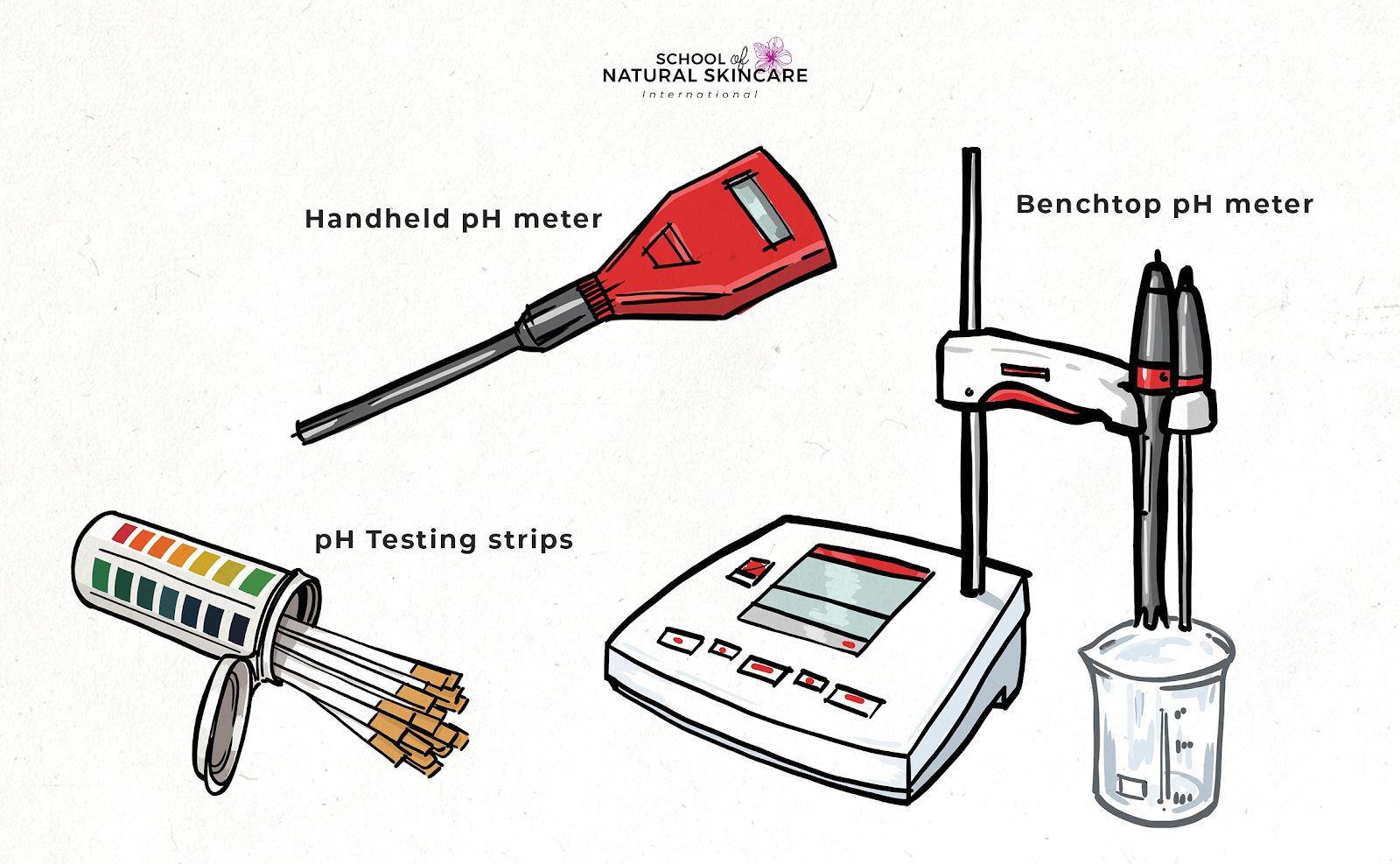
If you want to feel like a cool lab tech while watering your plants, grab a digital pH meter. These are little handheld gadgets with a probe you stick right into your liquid or soil. They give you an instant number, like 6.8 or 7.2, so no guesswork is required.
I use mine mostly for my houseplants. My peace lily was looking sad, and the meter told me the soil was way too acidic. A little lime dust later, and she perked right up. For around twenty bucks, you get a device that saves your plants, your fish tank, and even your sourdough starter from disaster.
The old-school classic: pH test strips
Remember those little strips of paper you dipped into stuff in science class? They’re actually super handy in real life. pH test strips are cheap, portable, and they don’t need batteries.
You can buy them at any drugstore or online. I keep a pack in my kitchen for when I’m pickling cucumbers or making kombucha. You just dip, wait a second, and compare the color change to the chart on the bottle. My kids think it’s magic when the strip turns pink or blue. It’s like a tiny sorcery trick that also prevents a batch of homemade pickles from turning into a science experiment gone wrong.
The kitchen cabinet surprise: Red cabbage
Okay, this one is my absolute favorite. You don’t need any special equipment—just a red cabbage from the grocery store. Boil it for ten minutes, strain the purple water, and you have a homemade pH indicator that works like a charm.
Pour the purple water into a few glasses, then add things like lemon juice (turns pink) or baking soda (turns green). It’s a dazzling science show for your kids, and it’s completely edible. You can even use it to test your tap water. I did this once at a family dinner, and my uncle started testing his coffee, then his beer. It became the most memorable after-dinner activity we’ve ever had.
 How to test and adjust the pH of natural skincare products (and why you
The gardener’s best friend: Soil test kits
If you’re growing tomatoes, you’ve probably felt the heartbreak of a blossom that rots before it ripens. That’s usually a calcium issue linked to pH. A soil test kit is a simple box with capsules of powder and a vial. You mix a little dirt with water, add the powder, and shake.
The color tells you if your soil is too acidic or too alkaline. Blue means it’s basic; orange means acidic. My neighbor, who grows the most beautiful roses, swears by these. She carries one in her garden apron like a secret weapon. It gives you power over your soil, and that power means bigger, happier plants.
The low-tech trick: Your own taste buds and skin
Your body is already a pH meter. Your tongue is a fantastic acid detector—sour tastes mean low pH. And your skin flushes, stings, or feels tight when something is too harsh. It’s not a precise measurement, but it’s a good warning system.
If your face wash makes your skin feel like a tight rubber band, it’s probably too alkaline. If a sip of orange juice makes you wince, your coffee might be too acidic. Trust your senses, and they’ll guide you to better choices.