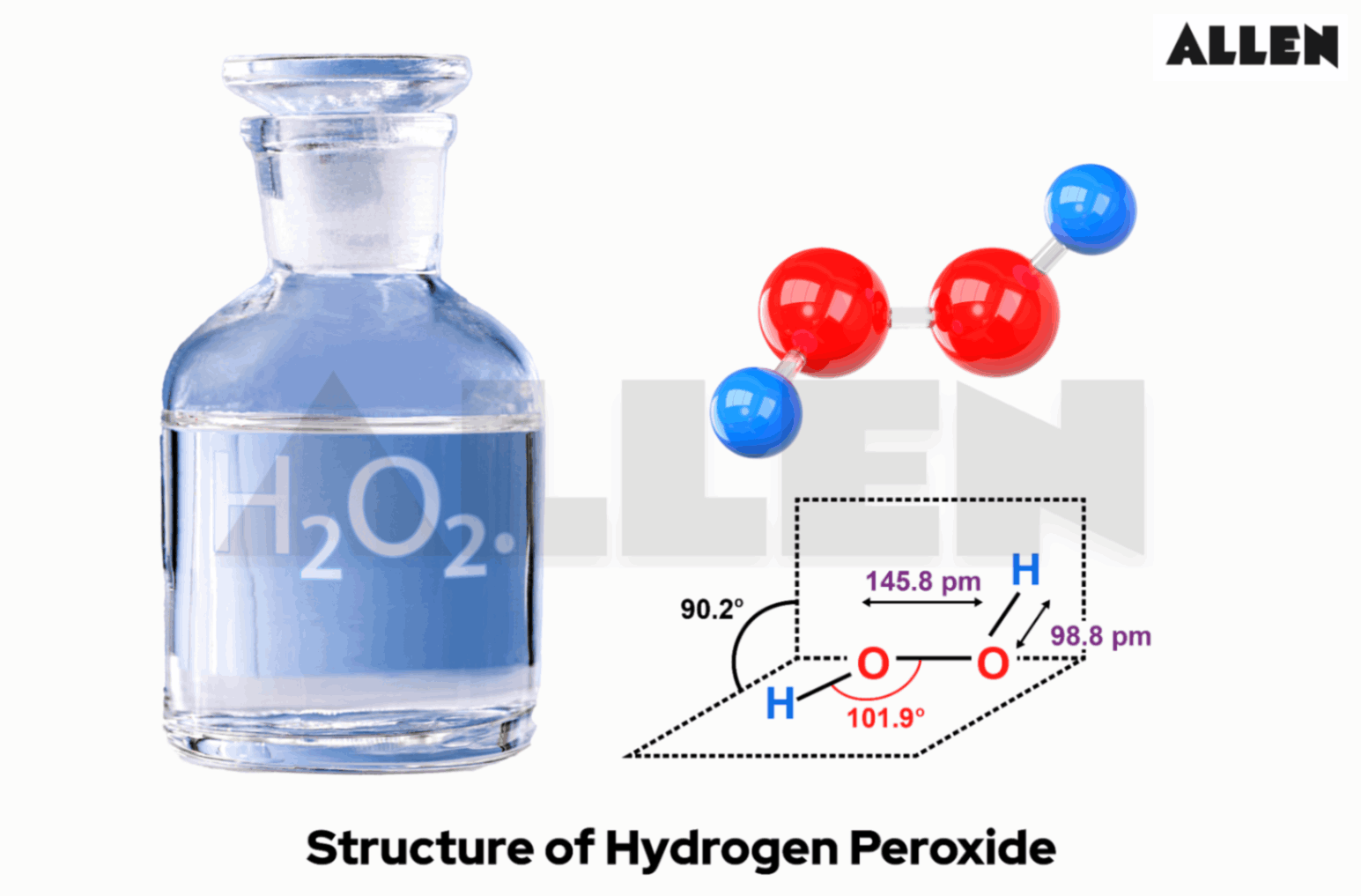
At its core, H₂O₂ is two hydrogen atoms bonded to two oxygen atoms. That extra oxygen makes it wildly unstable and reactive. Think of it as water’s slightly unhinged cousin, always ready to break apart and release a single oxygen molecule.
That instability is its superpower. When it breaks down, it creates free radicals that attack bacteria, viruses, and organic stains. It’s nature’s way of saying, “Let’s clean house,” without leaving toxic residue behind.
Fun fact: your body actually produces small amounts of hydrogen peroxide naturally to fight infections. Your white blood cells use it like a targeted bleach against unwelcome germs. So every time you pour it on a scrape, you’re just giving your immune system a little backup.
A Cultural Comeback Kid
Remember the old school trick of bleaching your hair with lemon juice and peroxide? That was the 90s version of DIY rebellion. Today, H₂O₂ is having a major lifestyle renaissance, popping up in everything from organic cleaning hacks to toothpaste alternatives.
It’s the star of countless TikTok cleaning videos where people spray it on cutting boards and watch it fizz, a satisfying physics lesson in real time. The fizzy bubbles are simply oxygen gas being released, which is also why it works as a rocket fuel. Seriously, concentrated H₂O₂ was used in some early rocket propulsion systems.
That same fizzing reaction is why it’s a staple in the “clean beauty” movement. No harsh chlorine, no lingering chemical smell—just water and oxygen left behind after the reaction is done.

