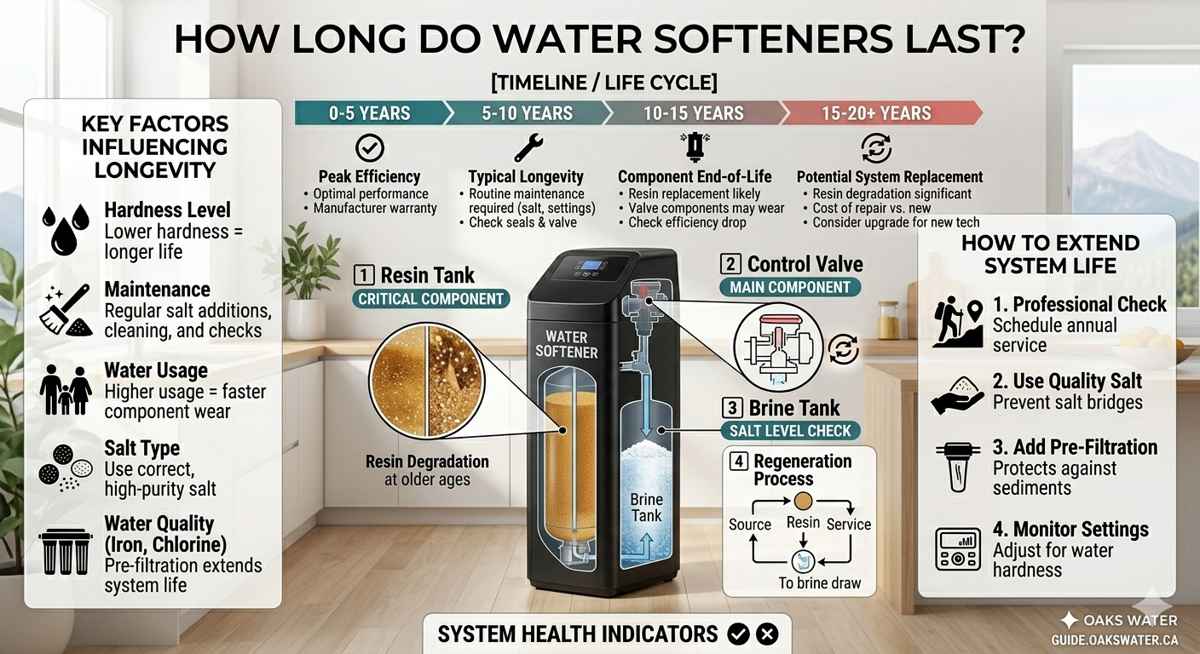
Think of your water softener like a marathon runner, not a sprinter. The biggest enemy isn’t age—it’s straight-up neglect. If you ignore it, it will get grumpy. The resin beads inside are the true heroes, doing the heavy lifting by swapping out hard minerals for soft ones. Over time, these beads get tired, like a sponge that’s seen too many dishwashing cycles. They can also get coated in iron or chlorine, which is like giving them a nasty cold.
Another silent killer is hard water itself. If your water is outrageously hard—like, “your soap turns to chalk” hard—your softener works overtime. That shortens its lifespan the way a dog shortens the lifespan of a pizza left on the coffee table. And please, don’t forget the salt. Running out of salt isn’t just annoying; it can cause the brine tank to turn into a moldy science experiment.
Signs Your Softener Is on Its Last Legs
You don’t need a crystal ball to know when your softener is dying. The first clue: your water starts feeling weird. Maybe your glasses get that hazy film again, or your skin feels like sandpaper post-shower. That’s your softener whispering, “I’m tired, boss.” Another classic sign is a sudden drop in water pressure. It’s like your softener is holding its breath because the internal parts are clogged or worn out.
Then there’s the noise. If your system starts making sounds like a dying moose or a broken washing machine, that’s not a feature. It’s a cry for help. You might also notice that you’re using way more salt than usual. That’s the resin beads saying, “I can’t keep doing this—send reinforcements.”
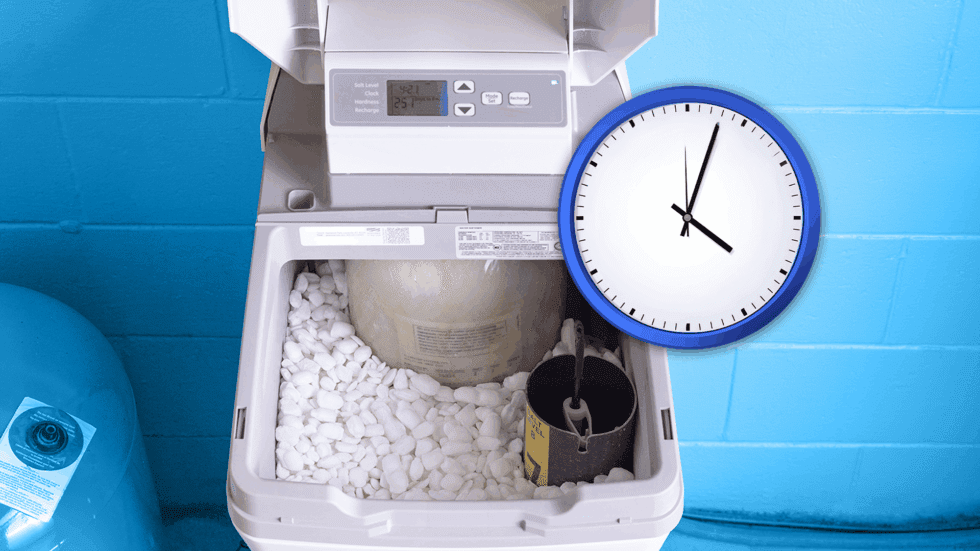 How Long Do Water Softeners Last? Lifespan & Signs It’s Time