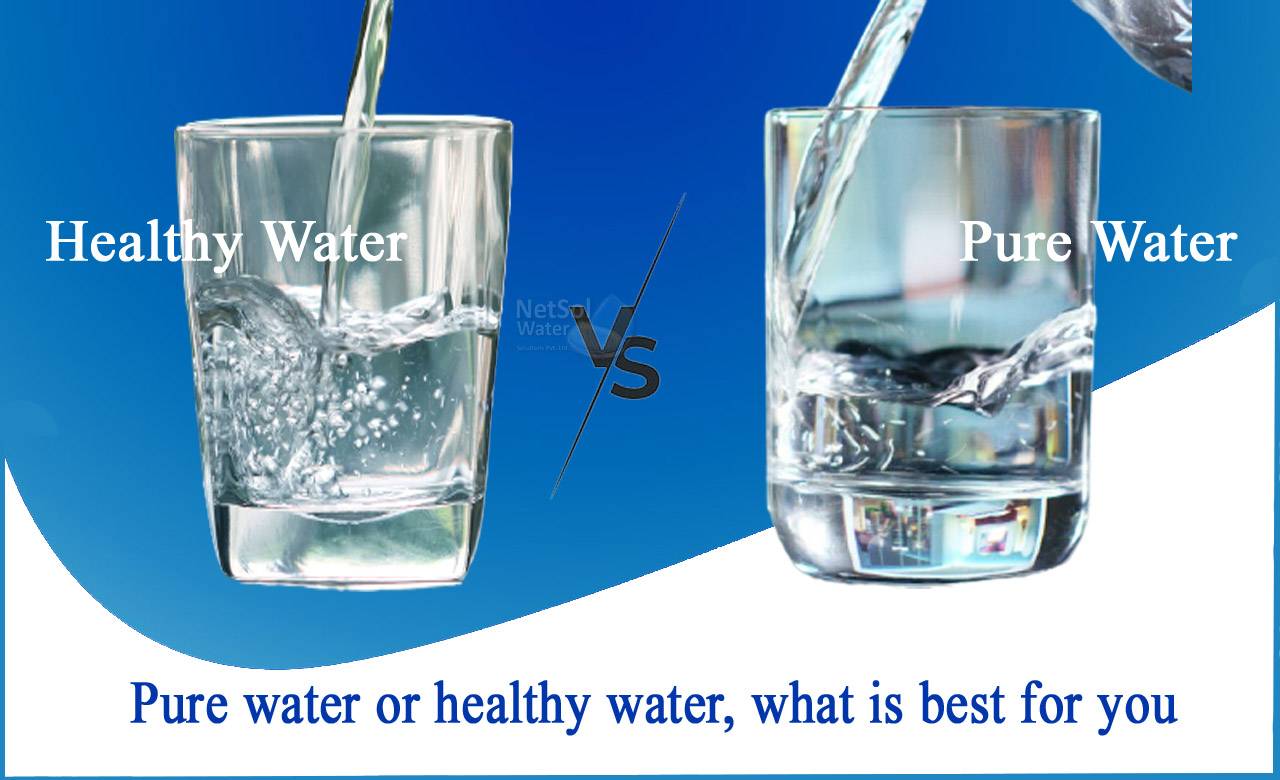
Think of a glass of water like a blank canvas. Usually, it’s got a little bit of everything dissolved in it—minerals, tiny bits of rock, maybe even a whisper of chlorine from your tap. That’s normal water, your trusty everyday sidekick.
Now, imagine a version where nothing else lives. No calcium, no magnesium, no sneaky fluoride. It’s just H₂O, all alone. That, my friend, is the purest water you can get.
Scientists call it deionized water or distilled water. It’s like the water equivalent of a blank, white sheet of paper. Perfectly untouched, but maybe a little boring for everyday use.
A Story of a Cloud and a Kettle
Remember when you were a kid and your mom boiled water for tea? That steam that rose from the kettle? That’s nature’s version of purification. When water turns to vapor, it leaves behind all its impurities—the hard minerals, the dirt, the tiny things you can’t see.
If you captured that steam and let it turn back into liquid, you’d have distilled water. It’s the same process that makes rain. Raindrops are, essentially, nature’s purest water before they hit the ground.
But here’s the funny part: rain is never really pure by the time it lands. It picks up dust and air particles on the way down. So, the absolute purest water only exists in a lab or a fancy machine.

