You’ll face a surprisingly heated choice at the hardware store: salt pellets, salt crystals, or potassium chloride. Pellets are the gold standard—neat, compact, and slow-dissolving, making them perfect for most modern units. Crystal salt, often mined from ancient salt beds like the ones under Detroit, works fine but can create more mushy residue at the bottom of the tank. Potassium chloride is the fancy, sodium-free option, a godsend for people on strict low-sodium diets, though it costs about three times more and dissolves a bit slower.
Here’s a fun fact that will impress no one at a party but will save you a headache: never use rock salt (the stuff you throw on icy driveways). It’s packed with dirt and impurities that will gum up your system faster than you can say “regeneration cycle.” Table salt is also a no-go—the anti-caking agents turn into a sludge that can destroy the internal valves. Stick to products labeled “water softener salt,” and your machine will hum a happy, hard-water-free tune.
The Art of Filling Up
How much salt? You want to fill the brine tank until it’s about half to two-thirds full. That’s the sweet spot—enough salt to keep the system working for four to six weeks, but not so much that the pellets cake together at the top. Overfilling is a classic rookie mistake; it can cause the salt to bridge, forming a solid crust that leaves your water feeling like it’s been through a desert drought. A good rule of thumb: stop when you reach about four to six inches below the top rim.
What about the dreaded salt bridge? Imagine a hard, concrete-like layer of salt that forms just below the surface. It’s the bane of every softener owner’s existence. To avoid it, keep the humidity in your basement low (a dehumidifier helps), and every few months, give the salt a gentle poke with a broom handle. If you hear a hollow thud, you’ve got a bridge. Break it up, scoop out the chunks, and start fresh—your softener will thank you with velvety, squeaky-clean water.
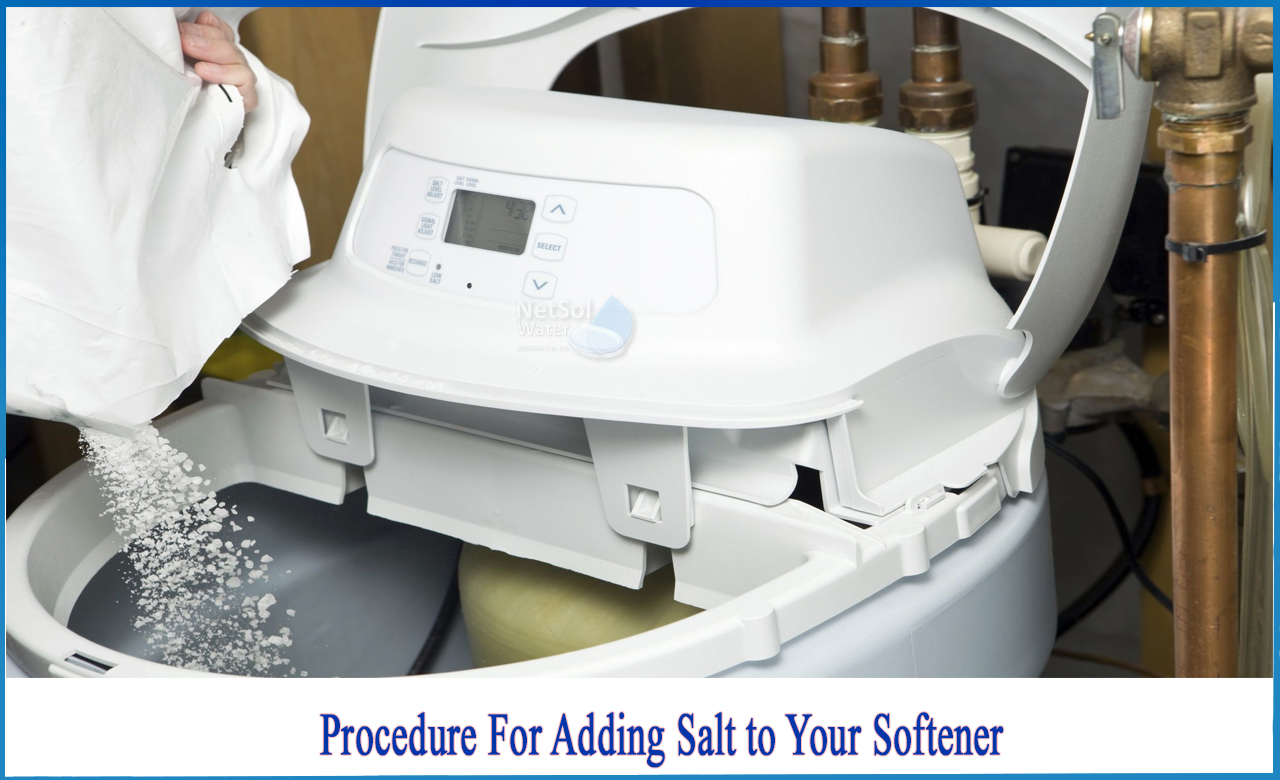
Refilling is a ritual best done on a lazy weekend afternoon. Grab a bag of salt (20 to 40 pounds is standard), open the lid, and pour in a slow, steady stream. Wear an old pair of jeans—salt dust gets everywhere, like glitter but less festive. Check the brine tank every four to six weeks, or set a calendar reminder on your phone that says “Salt Check” with a little water droplet emoji. Pro tip: If you hear your softener running late at night (that gentle whirring sound), that’s the regeneration cycle—your cue that it’s using salt, so you’ll need to top it off sooner.
 How to Add Salt to Your Water Softener | Culligan - YouTube