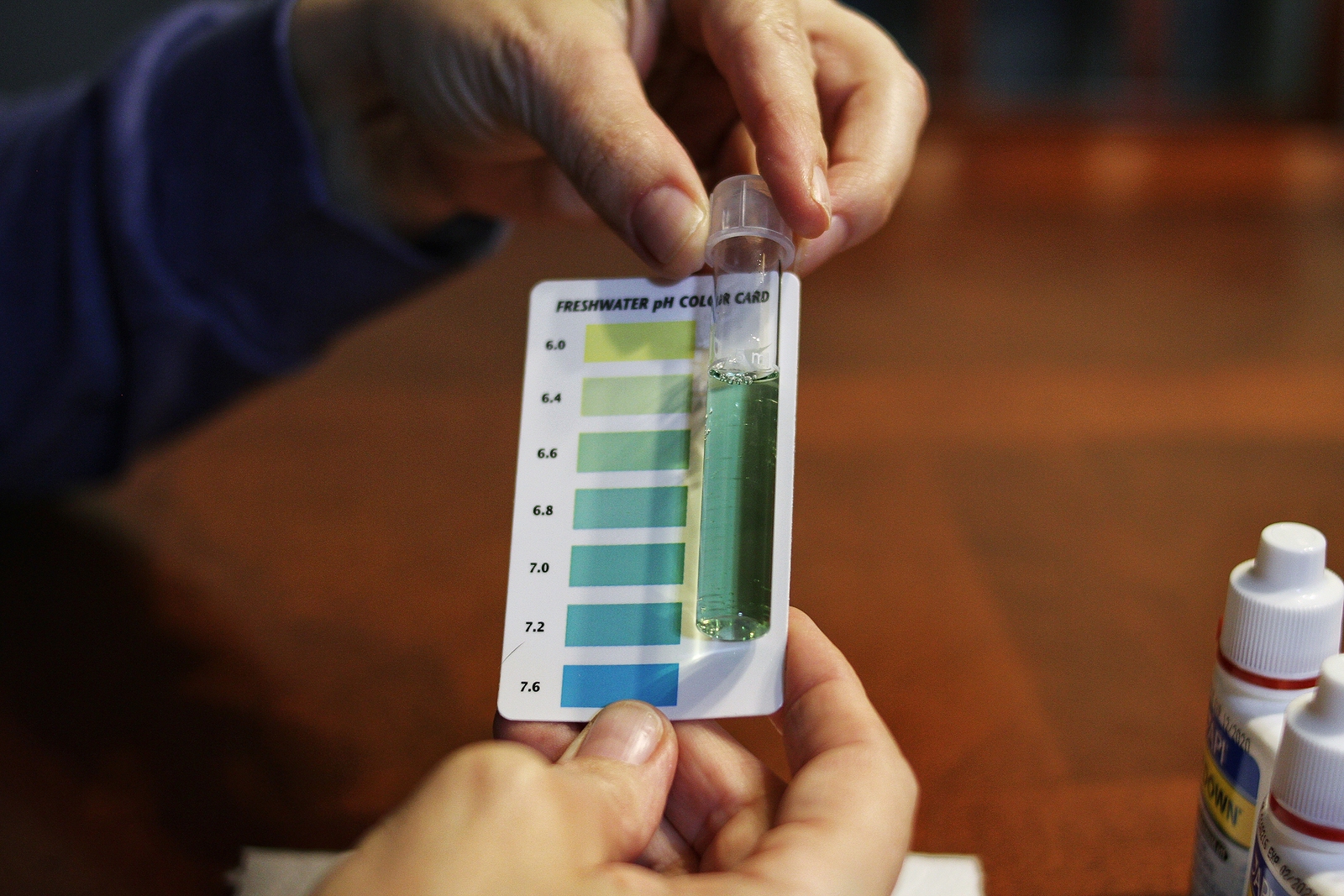
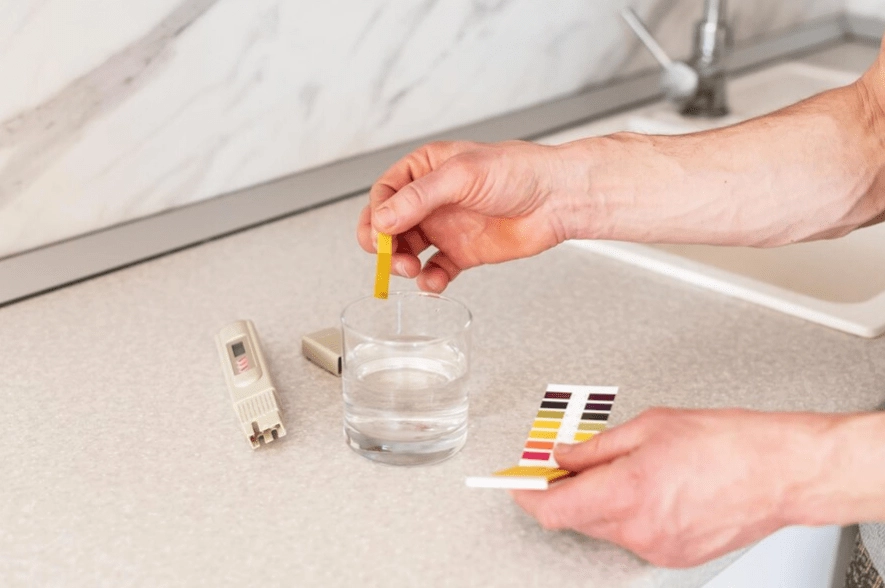
You don’t need a sterile laboratory or a white coat to get started. The most accessible method is the pH test strip—those little paper wands that change color faster than a chameleon at a disco. You can snag a pack at any pharmacy or online for the price of a fancy latte.
For the tech-savvy soul who loves data, a digital pH meter is your new best friend. It’s a sleek little pen you dip into water, and it spits out a precise number. Just remember to calibrate it with the included buffer solutions, or you’ll get readings as reliable as a horoscope during a full moon.
Then there’s the old-school method: red cabbage juice. Yes, that purple vegetable you ignore in the crisper drawer can turn your water a telling shade of pink or green. Boil some leaves, strain the liquid, and watch your water change color like a private magic show.
How to Do It Right (No Lab Coat Required)
Start with a clean glass—rinsed with distilled or filtered water to avoid any soapy drama. Fill it with your tap water and let it sit for a minute; temperature matters, so aim for room temperature unless you’re testing your ice-cold spa water.
If using strips, dip one for the time specified on the package (usually a quick two to five seconds). Pull it out, shake off the excess, and wait for the color to develop. Compare the result to the chart on the box under good lighting—natural daylight is ideal, not that dim corner near your monsteras.
For a digital meter, remove the cap, rinse the probe with distilled water, then dip it into your sample until the reading stabilizes. Give it about thirty seconds; it’s not a microwave, it’s a meditation timer. Write down the number, rinse the probe again, and store it properly so it doesn’t throw a tantrum next time.
 What is the PH Value of Water: All You Need to Know About It

